Oregano
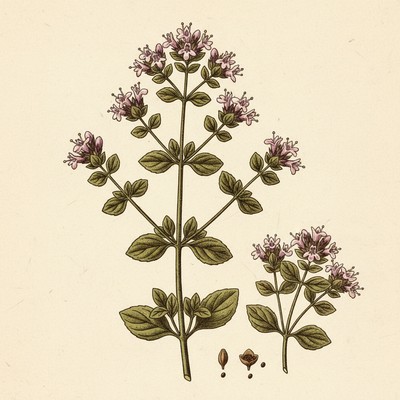
Origanum vulgareOregano is much more than a pizza seasoning. Its name comes from the Greek for 'joy of the mountains,' a hint of how highly it was regarded in the ancient world. The herb contains abundant volatile oils, especially carvacrol and thymol, the compounds behind its antimicrobial reputation. Oregano is traditionally used to support the body's natural immune response and to support respiratory wellness during seasonal challenges. As a warming carminative, the herbalist's term for a plant that settles gas after a heavy meal, it is traditionally used to promote healthy digestion and ease bloating. Whether used in food, tea or a tincture, oregano has always been valued as much for its flavor as for anything else.
Traditionally used for
- Support the body's natural immune response
- Promote healthy digestion and ease bloating
- Support respiratory wellness during seasonal challenges
Quick facts
Pairs well with
Common questions
Is oregano oil the same as oregano tea?
No, they are different. Yarrow lists tea, infusion, tincture and capsule preparations for oregano, but bottled oil is not included, so tea and oil are separate products, not different strengths of the same preparation. Tea gives you dried oregano steeped in hot water, with a pungent, slightly bitter and warming character. Oregano's cautions apply in every form. Avoid therapeutic doses during pregnancy and breastfeeding, keep in mind that it may lower blood sugar and affect blood clotting, and avoid it if you react to plants in the mint family.
Can you mix oregano and thyme?
They share some immune uses, and cooks settled the flavor question long ago. Thyme is traditionally used to support respiratory comfort during coughs and congestion, while oregano is traditionally used to support respiratory wellness during seasonal challenges. Thyme has an earthy, slightly minty warmth that softens oregano's pungency, so equal parts work well. Both come with cautions for therapeutic doses during pregnancy and breastfeeding, and both may affect blood clotting, an important point if you take an anticoagulant. Thyme may also interact with thyroid medication.
Can you mix oregano and basil?
Their common ground is digestion. Basil is traditionally used to support healthy digestion and ease occasional stomach discomfort, while bringing a calming quality that oregano lacks. Sweet, clove-like basil pairs well with pungent, slightly bitter oregano. Allergy is the concern: oregano's caution specifically includes basil because both belong to the Lamiaceae family, so reacting to either one rules out this pairing. Both may lower blood sugar and affect blood clotting, and neither should be used at therapeutic levels during pregnancy or breastfeeding.
What does oregano tea taste like?
The first note is pungent, followed by bitterness around the edges and a warming finish. In a cup, Origanum vulgare tastes much like the dried leaves in your spice rack, which can surprise anyone expecting a sweet or floral drink. This is a savory tea. It is also why oregano often shares the pot instead of standing alone, with thyme softening its pungency and basil adding sweetness.
Is oregano good for sleep?
No. In the Yarrow library, oregano falls under immune and digestion, and none of its traditional uses relate to sleep or stress. Its pungent, warming flavor also makes it an unusual nightcap. If calm is your aim, basil is the better choice and one of oregano's pairing partners. Basil is traditionally used to promote a sense of calm and ease nervous tension. Oregano is traditionally used to support the immune response, digestion and relief from bloating, along with respiratory wellness during seasonal changes.
Who should avoid oregano?
Anyone who reacts to the Lamiaceae family should avoid it. That group is broader than it may sound and includes mint, basil and sage. Oregano may lower blood sugar, so discuss it with your provider if you already manage yours. It may also affect blood clotting, which is important if you take a blood thinner. Therapeutic doses should be avoided during pregnancy and breastfeeding. Using oregano as a food seasoning is different from drinking it every day or taking it in capsules.
Can you grow oregano in containers?
Yes. Oregano does well in a pot, and a sunny windowsill or balcony provides enough light. Harvest the leaves, using them fresh in cooking or drying them for tea. The plant can be recognized by scent alone. Pinch one leaf and it should release the same pungent, warming aroma as the dried herb. Because dried oregano is readily available, growing it in a container is mainly about keeping fresh leaves on hand, not securing a supply.
Safety
Avoid therapeutic doses during pregnancy and breastfeeding. May lower blood sugar and affect blood clotting. Avoid if allergic to plants in the Lamiaceae family (mint, basil, sage).
These statements have not been evaluated by the Food and Drug Administration. This information is not intended to diagnose, treat, cure, or prevent any disease. Always consult a qualified healthcare provider before using herbs, especially if you are pregnant, nursing, taking medication, or have a medical condition.
More from the herb library
Blend Oregano in the Yarrow app
Browse 100 herbs, build your shelf, and create blends from what you have.
100% Ad-Free · Some features require premium