Astragalus
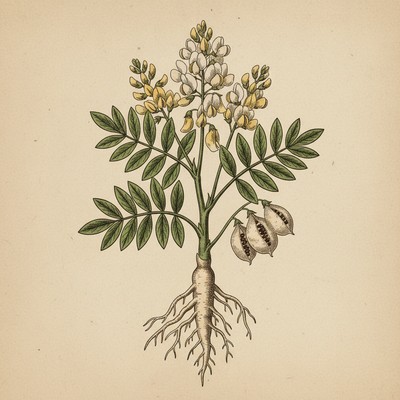
Astragalus membranaceusAstragalus root has held an important place in traditional Chinese medicine for more than 2,000 years, where it is valued as a deep immune tonic. In Chinese herbal terms, it strengthens Wei Qi, the body's defensive energy. People take it during winter or prolonged periods of stress. Astragalus is also an adaptogen, traditionally used to support energy and endurance over time. It gently supports the adrenal glands and has long been taken for fatigue, particularly when someone feels run down or is recovering from illness. The root is mildly diuretic and supports circulation. Timing matters. Astragalus builds strength rather than supporting the acute phase of an illness, so traditional guidance is to pause while actively unwell and resume after the worst has passed. It is generally safe for long term use and well tolerated. Often simmered in soups or teas, it has a sweet, earthy taste. Anyone with an autoimmune condition or taking immunosuppressant medication should first consult a healthcare provider because astragalus stimulates the immune system.
Traditionally used for
- Strengthen immune system function and vitality
- Support energy and reduce fatigue
- Support the body during recovery from illness
Quick facts
Pairs well with
Common questions
Can you mix astragalus and reishi?
Yes. Reishi appears on astragalus's own pairing list. Both are traditionally used to support immune function, while reishi is also traditionally used to promote calm and support sleep, areas astragalus does not cover. Their flavors balance differently: reishi is woody and bitter, while astragalus is mildly sweet, so add less reishi. Check both caution lists. Each flags autoimmune conditions and immunosuppressants. Reishi also flags blood thinners, blood pressure medication and stopping before surgery, while astragalus has a separate caution for acute illness.
Can you mix astragalus and ginseng?
Each herb lists the other as a partner. They share an energy focus, with both traditionally used to support energy and reduce fatigue. Ginseng is also traditionally used to support mental clarity. Since ginseng is bitter, use equal parts at most to preserve astragalus's mild sweetness. Take them only in the morning. Ginseng can be overstimulating, is not intended for continuous long term use and should not be taken during pregnancy or breastfeeding. It may interact with blood thinners, stimulants and blood sugar medications. Both herbs flag immunosuppressants.
What is Astragalus membranaceus root used for?
Astragalus membranaceus is the root commonly sold as astragalus. It is traditionally used to strengthen immune function and vitality. It is also traditionally used to support energy and reduce fatigue, so people often choose it when feeling run down or returning to strength after an illness. Astragalus is considered an adaptogen as well. Available forms include tea, tincture, decoction and capsules, although the root is more likely to be found in a specialty store than a supermarket.
What is astragalus used for in traditional Chinese medicine?
Astragalus has been used in traditional Chinese medicine for more than 2,000 years. The root is considered a deep immune tonic and is traditionally used to strengthen Wei Qi, the body's defensive energy. The idea is to build reserves, rather than provide something immediate, which explains the timing guidance. People use it throughout winter or during sustained periods of stress. Traditional practice advises putting it aside while you are actively sick.
Is astragalus good for sleep?
Not particularly. In the herbal library, astragalus belongs under immune support and energy. It is traditionally used to support vitality and endurance, not winding down, and it is not sedating. For a bedtime drink that retains the immune focus, consider reishi. It pairs with astragalus and is traditionally used to promote calm and support restful sleep. Reishi does have a bitter flavor, however, which presents a separate issue.
How do you make astragalus root tea?
Simmer the root. Decoction is one listed preparation for astragalus, meaning the root stays at a low simmer in water instead of simply resting in a mug. Plain tea is listed too. The resulting drink is mildly sweet, slightly earthy and pleasant. Another traditional approach avoids the teapot, as the root is often brewed into soups. Tincture and capsules are standard options as well. Finding the root itself usually requires visiting a specialty store.
Who should avoid astragalus?
People with an autoimmune condition and those taking immunosuppressant medication should avoid astragalus. It stimulates the immune system, which is both the herb's purpose and the reason these groups are excluded. If you take any drug affecting immune function, discuss astragalus with your healthcare provider. There is also a caution about timing. Traditional practice advises pausing astragalus while you are actively sick, then beginning again after the worst has passed.
Safety
Avoid with autoimmune conditions and immunosuppressant medications. May interact with medications that affect the immune system. Use caution during acute illness (use for prevention, not active infection).
These statements have not been evaluated by the Food and Drug Administration. This information is not intended to diagnose, treat, cure, or prevent any disease. Always consult a qualified healthcare provider before using herbs, especially if you are pregnant, nursing, taking medication, or have a medical condition.
More from the herb library
Blend Astragalus in the Yarrow app
Browse 100 herbs, build your shelf, and create blends from what you have.
100% Ad-Free · Some features require premium