Angelica
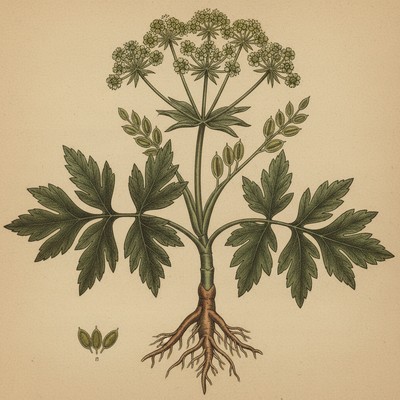
Angelica archangelicaAngelica archangelica is a tall, aromatic herb valued in Europe since medieval times, when legend says an angel revealed the plant. The root is the important part. In European herbalism and traditional Chinese medicine, it is traditionally used to support digestion and respiratory comfort. European angelica is also traditionally used to relieve gas and aid digestion as a carminative. It warms the body and may help improve circulation. Its candied stalks were once eaten to settle the stomach. Sunlight is the catch: angelica is photosensitizing, so taking it can make skin more likely to burn. After any significant amount, strong sun is best avoided, much as people take care with St. John's Wort. Pregnant women avoid angelica because it may stimulate uterine contractions. In moderate amounts, it remains respected for sluggish, cold states when digestion or the lungs may benefit from warmth.
Traditionally used for
- Support healthy digestion and ease gas
- Support respiratory comfort during colds
- Warm the body and support circulation
Quick facts
Pairs well with
Common questions
Is angelica the same as Angelica sinensis or Angelica dahurica?
No. Yarrow's library covers Angelica archangelica, the European species, and every use, flavor description, and caution here applies to that plant. Angelica sinensis and Angelica dahurica are separate species in the same genus, so this information should not be applied to either one. Check the botanical name before buying, since a package labeled angelica root does not reveal which species it contains.
How do you make angelica root tea?
Angelica is prepared as tea, decoction, or tincture. A decoction simmers the plant material rather than simply steeping it. Because the root is the part used, this is the preparation to know. Either method produces a strong cup, with an aromatic, bitter flavor and warming finish. Dried angelica root is usually found at specialty stores rather than supermarkets. Consider the timing, too. Angelica significantly increases sun sensitivity, so evening is better than morning if you will spend hours outdoors.
What does angelica taste like?
The first notes are aromatic and bitter, followed by slight sweetness and a warming finish. The root is the part used, and its bitterness feels more like a digestive bitter than anything floral. Angelica archangelica also has a largely forgotten culinary history. Its stalks were candied and eaten to settle the stomach, a very different experience from drinking the root.
Can you mix angelica and fennel?
These herbs belong to the same category and share a traditional use for gas and digestive discomfort. Fennel tastes sweet and licorice-like, softening angelica's bitterness rather than competing with it. Angelica is stronger, so begin with a smaller amount. Both have pregnancy cautions: angelica may stimulate the uterus, while fennel is cautioned in therapeutic doses. Fennel may also have estrogenic effects and interact with birth control and estrogen medications. Angelica raises sun sensitivity enough that strong light should be avoided afterward.
Can you mix angelica and ginger?
This pairing is all about warmth. Both are traditionally used to warm the body and support circulation. They also share a place in the digestion category, giving the cup one clear direction. Ginger brings spicy, pungent flavor with citrus notes beside angelica's bitter aroma. Neither disappears, so equal parts lets both come through. They share a bleeding caution: angelica may interact with blood-thinning medications, while ginger may raise bleeding risk and should also be stopped before surgery. Ginger may lower blood sugar, and angelica gives you another reason to keep monitoring yours.
Can you mix angelica and thyme?
Their common ground is respiratory comfort. Angelica is traditionally used to support respiratory comfort, while thyme is traditionally used to help with coughing and congestion. Thyme is also traditionally used to ease occasional digestive upset, angelica's other category. The blend leans savory and culinary, combining earthy, slightly minty thyme with aromatic, bitter angelica and its faint sweetness. Both have pregnancy cautions. Thyme may slow blood clotting, and angelica may interact with blood-thinning medications, so people taking anticoagulants should consult a healthcare provider. Thyme may also interact with thyroid medications.
Who should avoid angelica?
Pregnancy is the clearest concern because angelica may stimulate the uterus. People taking blood-thinning medications should speak with a healthcare provider before using it. Sun exposure is another major caution. Angelica significantly increases sun sensitivity and may cause photodermatitis, making it unsuitable before extended time outdoors and worth avoiding when your skin already reacts poorly to light. If you monitor your blood sugar, continue watching it while using angelica.
Safety
Increases sun sensitivity significantly; avoid sun exposure after use. Avoid during pregnancy (may stimulate uterus). May interact with blood-thinning medications. Those with diabetes should monitor blood sugar. May cause photodermatitis.
These statements have not been evaluated by the Food and Drug Administration. This information is not intended to diagnose, treat, cure, or prevent any disease. Always consult a qualified healthcare provider before using herbs, especially if you are pregnant, nursing, taking medication, or have a medical condition.
More from the herb library
Blend Angelica in the Yarrow app
Browse 100 herbs, build your shelf, and create blends from what you have.
100% Ad-Free · Some features require premium